
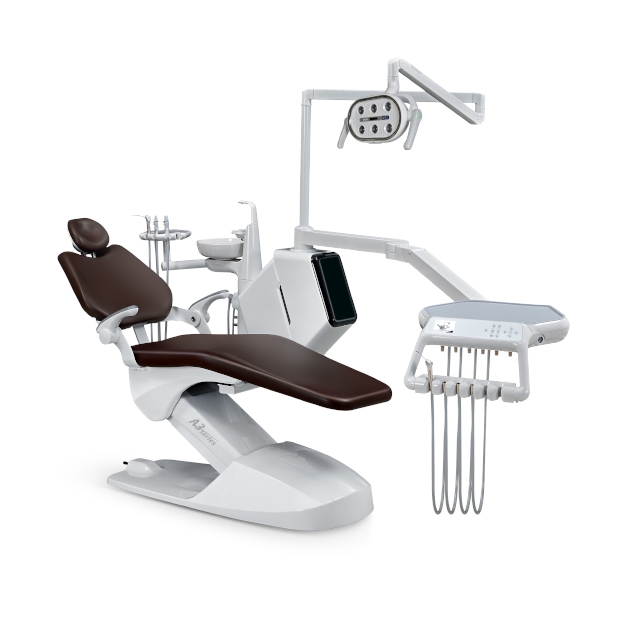
Modern dental clinics are facing increasing expectations for better efficiency, improved patient comfort, and more reliable treatment environments. As technology develops, replacing outdated equipment with advanced solutions has become an important step for clinics seeking long-term growth.
A dental chair is no longer only a patient seat. It has become the center of the clinical workspace, connecting treatment procedures, dentist ergonomics, assistant coordination, and patient experience. Choosing the right upgrade solution requires careful evaluation of functionality, durability, and workflow compatibility.
This case study explores how clinics can approach equipment modernization and what factors should be considered when working with professional manufacturers. The goal is to help dental professionals understand how a well-planned upgrade can improve daily operations.
Why Modern Dental Chair Upgrades Matter?
Many established clinics continue using older equipment that may limit treatment efficiency. Frequent maintenance issues, uncomfortable positioning, and inefficient layouts can create unnecessary challenges for dentists and assistants.
A modern dental chair should support smooth clinical procedures through ergonomic design and practical operating features. Adjustable patient positioning, accessible instruments, and organized workflow areas help dental teams complete treatments with greater convenience.
When evaluating replacement options, clinics should focus on how equipment supports daily needs rather than selecting based only on appearance. Roson develops dental equipment solutions designed around clinical requirements, helping professionals consider comfort, efficiency, and long-term reliability during upgrades.
Evaluating Dental Chair Features for Better Clinical Performance
Before investing in new equipment, clinics should identify which features can create measurable improvements. A high-quality dental chair should provide stable movement, comfortable patient support, and easy access for dental professionals.
Ergonomic design is one of the most important considerations. Dentists often perform procedures for extended periods, so equipment that supports natural working positions can reduce physical strain. Adjustable headrests, flexible positioning systems, and optimized instrument access contribute to a better working environment.
Infection control is another essential factor. Modern systems should be easy to clean and maintain, with designs that reduce complicated daily procedures. Materials, surface structures, and water management systems all influence hygiene management in professional clinics.
Roson’s dental equipment solutions include features focused on ergonomic operation, durable construction, and practical clinical use. These elements demonstrate why equipment selection should consider the complete working environment instead of individual functions alone.
Comparing Dental Chair Companies During Supplier Selection
Selecting suitable dental chair companies requires more than comparing product catalogs. Clinics and distributors should evaluate manufacturing experience, quality systems, technical support, and customization capabilities.
A reliable supplier should provide detailed product information and understand different market requirements. International buyers especially need partners who can support installation guidance, maintenance questions, and long-term cooperation.
Manufacturing consistency is also critical. Healthcare equipment requires strict attention to production processes because every component can influence safety and performance. Buyers should examine whether suppliers maintain organized quality management systems and provide clear product documentation.
When reviewing dental chair companies, decision-makers should also consider after-sales support. Fast communication, spare component availability, and technical assistance can significantly reduce operational interruptions after installation.
Case Study: Moving from Traditional Equipment to Modern Workspaces
A clinic upgrading from older equipment often begins by identifying workflow problems. Common concerns include limited adjustment flexibility, inefficient instrument arrangement, and reduced patient comfort during longer treatments.
After modernization, clinics can create a more integrated treatment environment. A redesigned workspace allows dentists and assistants to coordinate more effectively while reducing unnecessary movement between different equipment areas.
For example, advanced models may include smart control interfaces, improved lighting systems, and optimized assistant access. These improvements help create a smoother treatment process while supporting better communication between clinical team members.
Roson’s advanced dental chair solutions, such as the Flagship Model A3, are designed with features including ergonomic structure, customizable configurations, cleaning-friendly materials, and integrated operating functions. These elements support clinics looking to improve efficiency through equipment upgrades.
Planning a Successful Dental Equipment Upgrade
A successful upgrade requires careful planning before purchasing. Clinics should evaluate available space, treatment volume, specialty requirements, and future expansion goals.
The installation environment should also be reviewed. Equipment dimensions, utility connections, and workflow arrangement all influence whether the new system can operate effectively. Early planning helps prevent unexpected modifications after delivery.
Budget evaluation should include long-term operating costs. Maintenance requirements, expected service life, training needs, and technical support should be included alongside the initial investment. A durable solution can provide better value by reducing replacement frequency.
For distributors, understanding customer needs is equally important. Different markets may require different configurations, and suppliers that provide flexible solutions can better support business development.
Improving Patient Experience Through Better Equipment
Patients increasingly evaluate clinics based on their overall experience, not only treatment results. Comfortable seating, smooth movement, and professional equipment appearance can influence patient confidence.
A modern dental chair helps create a more welcoming environment by combining comfort with practical functionality. Features such as adjustable positioning and organized treatment areas allow dentists to provide more efficient services.
Clinics that upgrade their equipment can also strengthen their professional image. A modern workspace demonstrates attention to quality and creates a more positive impression for both existing and potential patients.
Conclusion
Upgrading dental equipment is a strategic decision that can improve workflow efficiency, patient satisfaction, and long-term clinic performance. The right evaluation process helps dental professionals choose solutions that match their clinical requirements and future development plans.
Modern dental chairs provide much more than basic support. They integrate ergonomic design, operational convenience, and improved hygiene management into a complete treatment environment. By carefully comparing suppliers and focusing on practical needs, clinics can achieve meaningful improvements through modernization.
Roson continues to support dental professionals and partners by providing equipment solutions designed for evolving clinical demands. A carefully planned upgrade allows clinics to create more efficient workspaces while maintaining high standards of patient care and professional service.
