
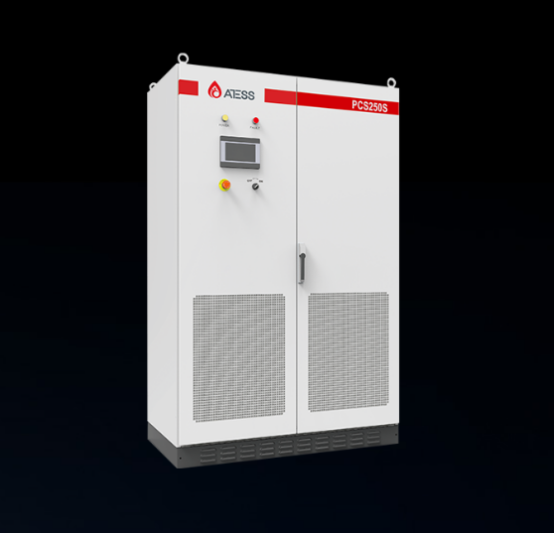
Modern power systems rely on efficient management of electricity, particularly as renewable integration expands. Battery inverter technology serves as a critical component, allowing facilities to manage energy effectively. These systems utilize a Power Conversion System, often referred to as PCS, to maintain stable operations and ensure energy is used where it is needed most.
Enabling Bidirectional Power Exchange
The core functionality of these units lies in their ability to manage movement in two directions. A Power Conversion System facilitates the transition between alternating current and direct current seamlessly. By utilizing a battery inverter, energy can be stored during periods of low demand and discharged when grid requirements increase. Atess provides equipment designed to manage these shifts, ensuring the electrical infrastructure remains balanced. Through this bidirectional capability, operators can optimize their usage patterns, which supports broader grid stability. A robust Power Conversion System allows for this flexible exchange, which is essential for modern storage projects.
Efficiency in Energy Management
Operational efficiency remains a priority for commercial and industrial energy setups. When a facility installs a battery inverter, it gains the ability to regulate power flow with precision. This technology supports self-consumption goals by keeping renewable energy within the local system until it is required. Because Atess designs these systems for industrial environments, the hardware handles heavy loads while maintaining consistent performance. Each Power Conversion System acts as the intelligence behind the storage setup, adjusting output based on real-time data. This process ensures that equipment functions within safe parameters while maximizing the utility of stored electricity.
Effective energy management depends on reliable hardware capable of handling complex power dynamics. By implementing a battery inverter, facilities gain control over their energy cycles, allowing for both storage and export when conditions are favorable. Integrating a specialized Power Conversion System provides the necessary foundation for these operations. As energy requirements shift, having reliable technology ensures that power flow remains consistent and controlled, contributing to a more predictable electrical environment for diverse industrial applications.
