
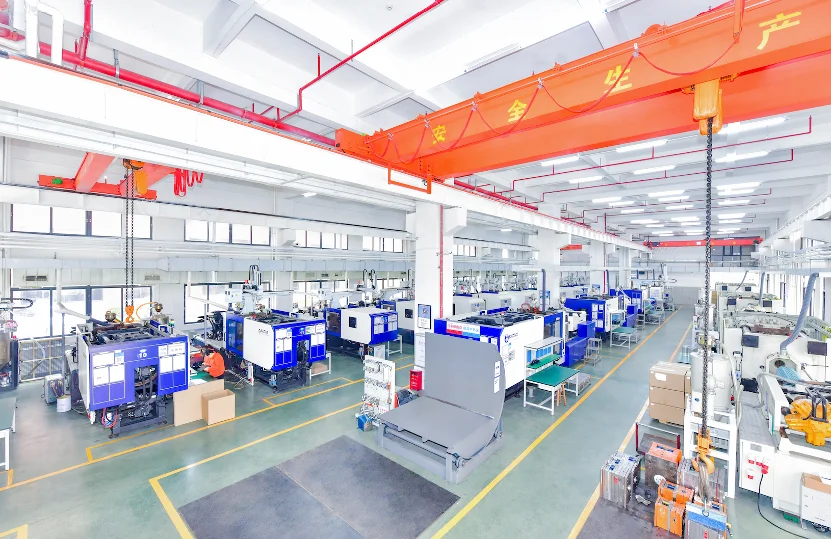
A successful molded plastic part begins long before the injection molding machine starts running. Material selection, surface finish, wall thickness, draft angles, ribs, bosses, and parting lines all influence how a component fills, cools, releases, looks, and performs.
For manufacturers developing new products or preparing an existing design for production, treating these factors separately can create unnecessary tooling changes, cosmetic defects, dimensional problems, and added costs. A capable plastic molding service should instead evaluate the complete design and its intended application from the beginning.
HordRT combines material selection, DFM analysis, tooling, injection molding, and finishing support to help turn CAD designs into production-ready plastic parts.
Start With the Material, Not Just the Mold
The right resin provides the foundation for a reliable molded component. Different applications may require impact resistance, heat resistance, chemical resistance, dimensional stability, flexibility, or a specific appearance.
Common choices include ABS, PP, PE, HDPE, PS, PC, PA, POM, PBT, PPA, TPE, TPU, and silicone. Engineering plastics can provide stronger mechanical or thermal performance when standard materials are insufficient. HordRT evaluates factors including strength, heat, chemical exposure, appearance, compliance, and cost when recommending a material.
Material selection also affects molding behavior. Shrinkage, flow characteristics, cooling, and surface appearance can vary between resins. A material that performs well mechanically may still require adjustments to wall thickness, draft, gate location, or processing conditions.
For this reason, material selection should happen alongside design review rather than after the mold has already been designed.
Surface Finish Is Part of the Design
Surface appearance is not simply a final cosmetic decision. The desired finish can influence mold preparation, material selection, part geometry, and production repeatability.
Injection molded components can use an as-molded appearance, polished surfaces, matte finishes, textured mold surfaces, or SPI finish standards. Additional processes such as painting, silk screening, pad printing, and laser engraving can be used when the product requires color, graphics, identification, or other visual details.
The finish should be specified according to where the surface will be used. A highly visible housing may require a carefully controlled texture or gloss level, while an internal structural component may need little cosmetic treatment.
HordRT reviews finish requirements according to resin compatibility, geometry, appearance, and production repeatability. Defining visible surfaces, color, texture, and acceptable cosmetic limits early can reduce uncertainty during production.
Keep Wall Thickness Consistent
Wall thickness has a direct effect on filling, cooling, shrinkage, and dimensional stability. Large variations can create uneven cooling and increase the risk of sink marks, warpage, and other molding defects.
A more consistent wall structure generally allows plastic to flow and cool more predictably. When additional strength is required, increasing the entire wall thickness is not always the best solution.
Instead, properly designed ribs can reinforce a part while limiting excessive material accumulation. HordRT recommends maintaining balanced wall sections and using structural features carefully to reduce molding risks.
This is an important example of why part design and molding process development need to be considered together.
Use Draft, Ribs, and Bosses With Purpose
Draft angles help molded parts release from the tool without unnecessary friction, deformation, or cosmetic damage. The appropriate amount depends on the material, wall thickness, surface texture, feature depth, and shrinkage behavior.
Ribs provide structural reinforcement without creating the thick sections that can contribute to sink marks. Bosses support screws, inserts, and assembly features, but their dimensions and connection to surrounding walls need to be carefully controlled.
For example, HordRT recommends keeping boss wall thickness at no more than about 60% of the main wall thickness and supporting bosses with ribs or gussets where appropriate.
These details may appear small in a CAD model, but they can have a meaningful effect on tooling complexity and finished-part quality.
Plan the Parting Line Before Tooling
The parting line is where mold sections meet, making its position important for appearance, ejection, functionality, and tooling cost.
A poorly positioned parting line can become visible on a cosmetic surface, interfere with assembly, or create challenges when the design contains undercuts. A well-planned parting line can simplify mold construction and help keep visible seams in less noticeable locations.
This is why DFM analysis should happen before tooling begins. HordRT reviews parting lines together with mold direction, draft, undercuts, and the functional requirements of the finished component. Its engineering team can suggest design changes before problems become expensive tooling modifications.
Why HordRT Adds Value to Plastic Molding Projects
HordRT’s advantage is the integration of engineering review, material selection, tooling, molding, finishing, inspection, and production support within one workflow.
Its plastic injection molding capabilities cover general-purpose plastics, engineering materials, elastomers, and specialty materials. The company also supports molded surface finishes and post-mold decoration, allowing material, appearance, and manufacturing requirements to be considered together.
For projects that need more than molding alone, HordRT coordinates finishing, dimensional inspection, assembly, marking, and packaging as part of its secondary processing capabilities.
This integrated approach can reduce communication gaps between design and manufacturing while giving engineers a clearer path from the initial CAD model to finished components.
Turn Design Decisions Into Production-Ready Parts
A reliable plastic molding service is not simply about injecting resin into a mold. The quality of the final component depends on decisions made throughout the process, from material and wall thickness to surface finish, draft, structural features, and parting line placement.
When these elements are reviewed together, manufacturers can address potential problems earlier, control tooling changes, and develop parts that are easier to mold consistently.
With DFM expertise, broad material options, tooling capabilities, injection molding, and finishing support, HordRT provides an integrated manufacturing route for turning detailed plastic part designs into practical production components.
