
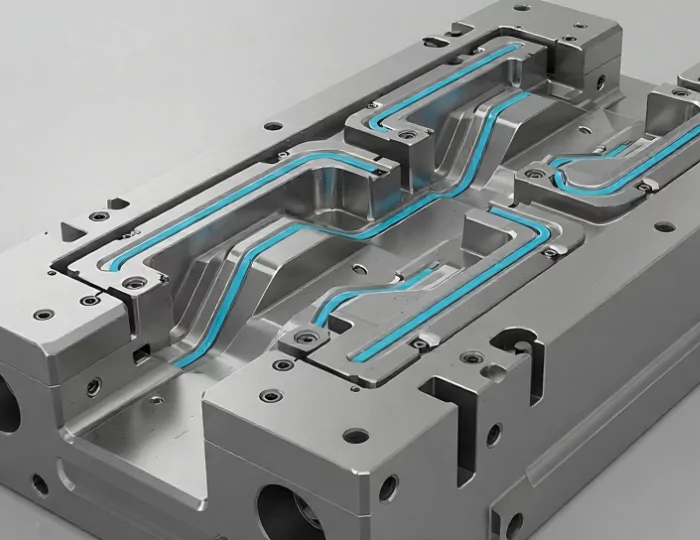
Innovation is reshaping the automotive sector, particularly in how plastic components are designed and manufactured. This article is intended for engineers and technical managers seeking to understand how advancements in automotive injection molding are improving product performance and production efficiency. By working with an experienced automotive plastic parts manufacturer, companies can leverage these innovations to stay competitive.
Advanced Materials and Process Technologies
Modern automotive injection molding is increasingly driven by the development of high-performance materials. Engineering plastics with enhanced thermal stability, strength, and durability are replacing traditional materials in many applications. These advancements allow manufacturers to meet the demanding requirements of electric vehicles and high-performance systems.
In addition to materials, process technologies are evolving rapidly. Techniques such as gas-assisted molding and multi-shot injection enable the production of complex, multi-functional components. These methods enhance the efficiency of automotive injection molding by reducing assembly steps and improving part integration.
Simulation tools also play a critical role. By predicting material flow and potential defects, engineers can optimize mold design and improve production outcomes. This reduces development time and enhances the reliability of automotive plastic parts manufacturer operations.
Integration of Digital and Automated Systems
Digitalization is transforming automotive injection molding processes. Real-time monitoring systems collect data on temperature, pressure, and cycle time, enabling precise control over production conditions. This level of control improves consistency and reduces variability.
Automation further enhances efficiency. Robotic systems handle part removal, inspection, and packaging, reducing manual intervention and increasing productivity. Automotive plastic parts manufacturer operations benefit from these advancements by achieving higher output with consistent quality.
Livepoint Tooling has embraced these innovations by integrating advanced engineering tools and automated production systems. Their capabilities enable clients to achieve both precision and efficiency in demanding automotive applications.
Advancing Performance Through Innovation
Continuous innovation is essential for meeting the evolving demands of the automotive industry. Automotive injection molding provides a platform for integrating new materials, technologies, and production methods. At the same time, collaboration with an experienced automotive plastic parts manufacturer ensures that these innovations are effectively implemented.
For companies seeking to enhance their product offerings, investing in advanced manufacturing solutions is a strategic priority. By leveraging the expertise of partners such as Livepoint Tooling, manufacturers can improve performance, reduce costs, and maintain a competitive edge. For innovations in Automotive Plastic Injection Molding, engineers need to review material behavior, gate location, cooling layout, and dimensional control together, because a single weakness can affect durability, appearance, or installation fit. Livepoint Tooling can help identify warpage, sink marks, and tolerance risks before regular automotive production begins in innovations in Automotive Plastic Injection Molding. For innovations in Automotive Plastic Injection Molding, tooling decisions should connect part performance with lightweight design, heat resistance, surface quality, assembly accuracy, and repeatable high-volume production requirements. Engineers working on innovations in Automotive Plastic Injection Molding need to review material behavior, gate location, cooling layout, and dimensional control together, because a single weakness can affect durability or installation fit. Livepoint Tooling can help identify warpage, sink marks, and tolerance risks in innovations in Automotive Plastic Injection Molding before regular automotive production begins.
