
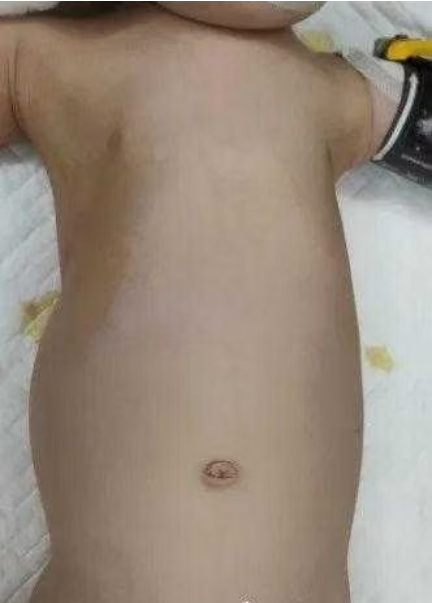
Jeune syndrome, also referred to as asphyxiating thoracic dystrophy, is a rare hereditary disorder with an estimated incidence of approximately 1 in 100,000 to 130,000 live births. It is generally inherited in an autosomal recessive pattern and is associated with genetic mutations. The condition primarily affects the development of the thoracic cage, resulting in a narrow chest. In addition, abnormalities may also occur in the skeletal system throughout the body, as well as in the kidneys and digestive system. Because of the restricted thoracic space, lung development is limited, and many affected infants present with respiratory insufficiency shortly after birth, which contributes to the overall severity of the condition.
Structural Features and Clinical Manifestations
The structural features of Jeune syndrome can vary, but are commonly classified into two types. Type I presents with overall narrowing of the thoracic cage, where both transverse and anteroposterior diameters are significantly reduced compared to normal. Type II features a distinctive pattern with extensive bilateral depressions along the lateral chest walls, typically involving multiple ribs and extending toward the costal arches. Despite these differences, both patterns are associated with a reduced thoracic volume.
Clinically, many patients present with varying degrees of hypoxia, and severe cases may require respiratory support. Limited lung expansion can also contribute to recurrent pulmonary infections and gradual changes in lung tissue. Over time, chronic respiratory compromise may influence overall growth, and most patients exhibit short stature or delayed physical development. In addition, patients may exhibit pathological changes in multiple organs, ultimately impairing organ function.
Surgical Management Approaches
Surgery may be considered when respiratory function is severely impaired. At The Institute of Chest Wall Surgery (ICWS), chest wall expansion surgery is commonly used for Type I patients to increase thoracic volume through midline or lateral approaches. For Type II deformities, a combination of the Wenlin procedure and the Wang procedure may be applied to address both anterior convexity and lateral concave areas. In selected cases with isolated lateral depressions, the Wang procedure alone may be sufficient, using shaping bars and wires to lift the depressions without entering the chest cavity.
Conclusion
Jeune syndrome is a hereditary condition with structural implications that can affect breathing and development. While the presentation varies, timely evaluation and, when appropriate, surgical management can help improve breathing function. ICWS provides operative options tailored to these complex chest wall deformities, with an emphasis on restoring a more stable and functional chest structure.
