
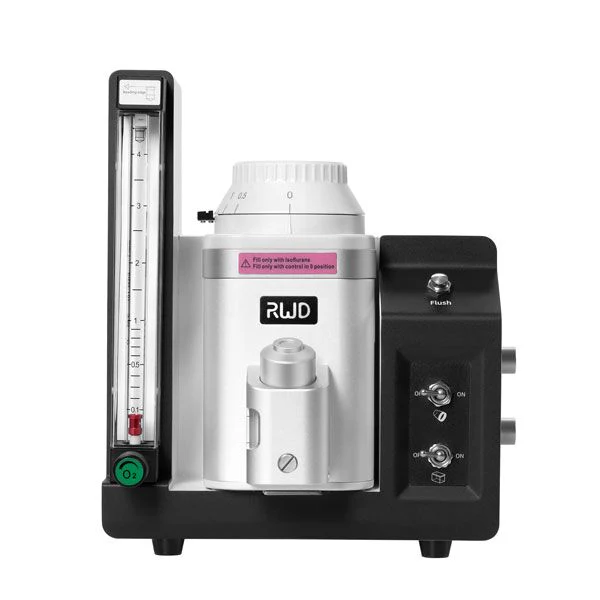
Isoflurane is a widely used anesthetic in both human and animal medical procedures. Though its use in veterinary practices, particularly with small animals, is well documented, its safety in humans is often a topic of concern. The question arises: is isoflurane anesthesia safe for human use, especially when used in controlled environments like surgery? In this article, we’ll explore the safety considerations surrounding isoflurane and how small animal anesthesia machines, such as the BP LabLine model, can play a role in advancing medical research.
Understanding Isoflurane Anesthesia in Animal Research
Isoflurane anesthesia is commonly used in veterinary settings for rodent anesthesia. It offers significant advantages over injectable anesthesia, such as faster induction and recovery times. This makes it a preferred choice in research environments where minimizing stress and ensuring rapid recovery is crucial. The small animal anesthesia machine, such as the BP LabLine, ensures that the depth of anesthesia can be precisely controlled, contributing to its reliability and effectiveness.
Small Animal Anesthesia Machines and Their Role in Research
Small animal anesthesia machines, like those in the BP LabLine series, are essential tools for researchers working with rodents in clinical and laboratory settings. These machines allow for consistent delivery of isoflurane, ensuring the safety and comfort of the animals during surgical procedures. With features such as a compact footprint and user-friendly design, the BP LabLine anesthesia machines are optimized for research environments, ensuring precise control of anesthesia while minimizing animal stress.
Is Isoflurane Safe for Humans?
In humans, isoflurane is generally considered safe when administered by trained medical professionals. Its use in surgical settings is closely monitored, and modern machines help ensure that the proper dosage is delivered. The safety of isoflurane in humans is also supported by its lower toxicity profile when compared to other anesthetic agents. However, like any anesthetic, it does come with risks, which is why careful monitoring and dosage adjustments are essential to its safe use.
Conclusion
In conclusion, isoflurane is a safe and effective anesthetic for both animals and humans, provided it is used in appropriate clinical settings. The small animal anesthesia machine, such as the BP LabLine model, plays an important role in facilitating precise and safe anesthesia delivery in animal research. With its advantages in rapid induction, low metabolic toxicity, and reduced animal stress, isoflurane continues to be a preferred choice for researchers and medical professionals alike.
