
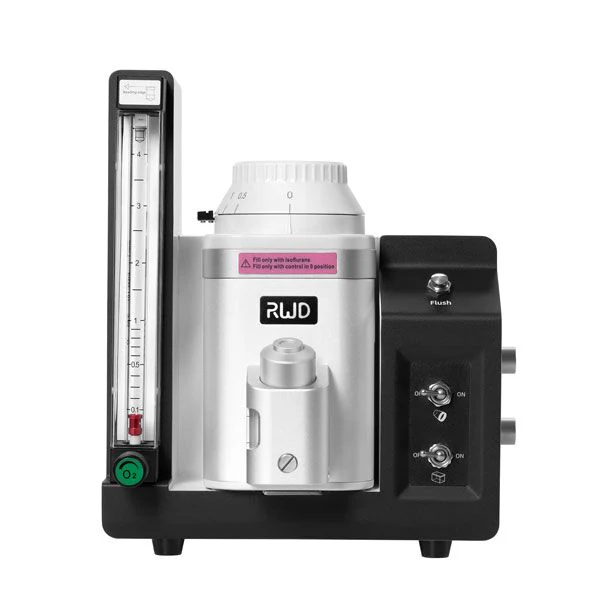
Successful physiological research involving rodents relies heavily on the technical precision of inhalation delivery units. At BPLabLine, they provide integrated solutions designed to maintain steady planes of unconsciousness while prioritizing the safety of the subject. When a laboratory integrates a small animal anesthesia machine, they are utilizing a complex network of gas regulators, vaporizers, and scavenging interfaces. Each specific mouse anesthesia machine is engineered to handle the low flow rates required for tiny subjects, ensuring that every individual component functions in harmony to prevent respiratory distress or accidental overdose during long procedures.
Gas Supply and Flow Regulation
Primary control of the anesthetic environment begins with the source gas, typically medical-grade oxygen or air. They note that a small animal anesthesia machine must include a precise flowmeter to regulate the volume of gas entering the system, often measured in milliliters per minute for smaller rodents. This part of the mouse anesthesia machine ensures that the carrier gas is delivered at a consistent pressure, which is vital for the stability of the mixture. Because BPLabLine focuses on accuracy, they emphasize that high-quality flowmeters prevent the fluctuations that could lead to hypoxia or inadequate depth of anesthesia during a surgery.
Precision Vaporization and Delivery
Mixing the liquid anesthetic agent into the carrier gas requires a specialized vaporizer unit. Within a small animal anesthesia machine, the vaporizer converts liquids like isoflurane or sevoflurane into a precise vapor concentration. They observe that a mouse anesthesia machine needs a temperature-compensated and flow-compensated vaporizer to ensure that the output remains constant regardless of the ambient laboratory environment. This ensures that the concentration delivered to the induction chamber or the breathing mask remains exactly at the percentage set by the researcher, maintaining the delicate physiological balance of the animal.
Waste Gas Management and Safety
Removing excess anesthetic vapors from the workspace is a critical safety requirement for laboratory personnel. Every small animal anesthesia machine incorporates a scavenging system, either active or passive, to capture exhaled gases and any leakage. They highlight that an effective mouse anesthesia machine uses charcoal canisters or external venting to neutralize these waste gases before they can affect the technicians. By maintaining a clean air environment, this specific small animal anesthesia machine setup protects the health of the research team while the mouse anesthesia machine simultaneously provides life support and immobilization for the subject.
Refinement of these technical assemblies allows for more humane and reproducible research outcomes. Researchers benefit from a streamlined workflow where gas delivery, vaporization, and waste removal are managed through a single, cohesive interface.
