
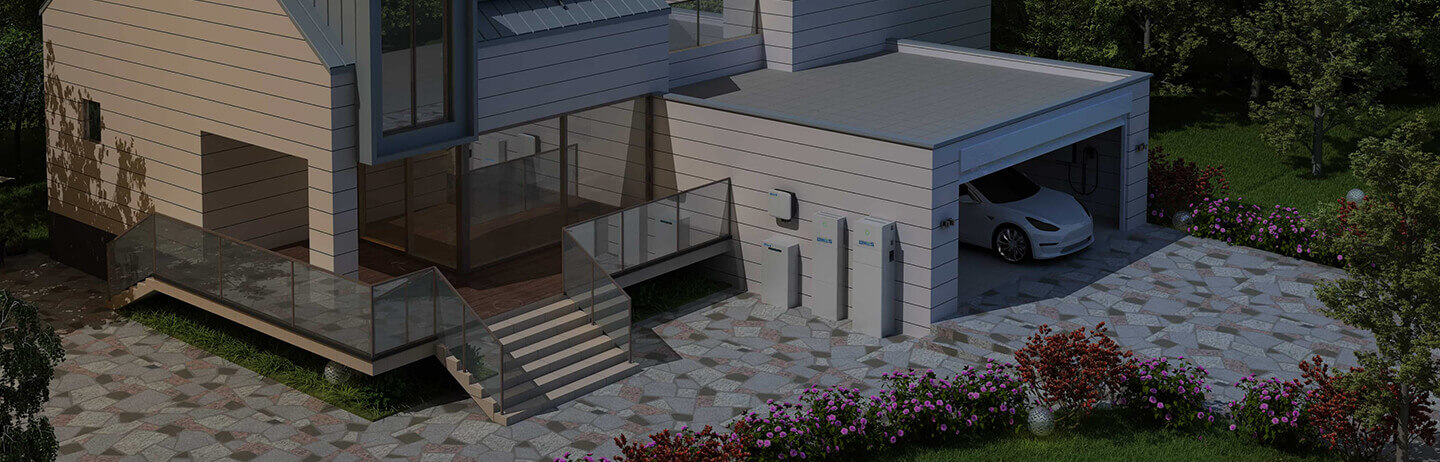
For installers and solution providers, deploying a home energy storage system involves more than standard electrical work—it requires coordination across system design, compliance, and commissioning processes. WHES supports this ecosystem by offering solutions that are structured for efficient integration and repeatable deployment. In residential projects delivered at scale, a well-managed home energy storage system installation directly affects delivery timelines, installation quality, and long-term service performance.
Pre-Installation Planning and Site Standardization
Before deployment, installers must evaluate site conditions, including electrical capacity, installation space, and compatibility with existing solar systems. Standardizing this assessment process is essential when deploying multiple home energy storage system projects across different locations. A consistent approach reduces installation variability and improves efficiency. WHES solutions are designed to support flexible configuration, enabling installers to adapt each home energy storage system to site-specific requirements without increasing complexity.
Installation Workflow and System Integration
During execution, the focus shifts to installation efficiency and system compatibility. A home energy storage system must integrate smoothly with inverters, PV systems, and grid connections while meeting safety and regulatory standards. For installers, streamlined wiring, clear system architecture, and simplified commissioning processes are critical. WHES develops its systems with integration in mind, helping reduce installation time and ensuring that each home energy storage system can be deployed with consistent quality across projects.
Commissioning, Handover, and After-Sales Considerations
Once installed, the commissioning phase ensures that the home energy storage system operates according to design expectations. This includes validating performance, confirming safety settings, and enabling monitoring functions. For service providers, long-term reliability and ease of maintenance are key considerations. WHES incorporates monitoring and management capabilities that support ongoing system visibility, allowing each home energy storage system to maintain stable operation while simplifying after-sales support and lifecycle management.
