
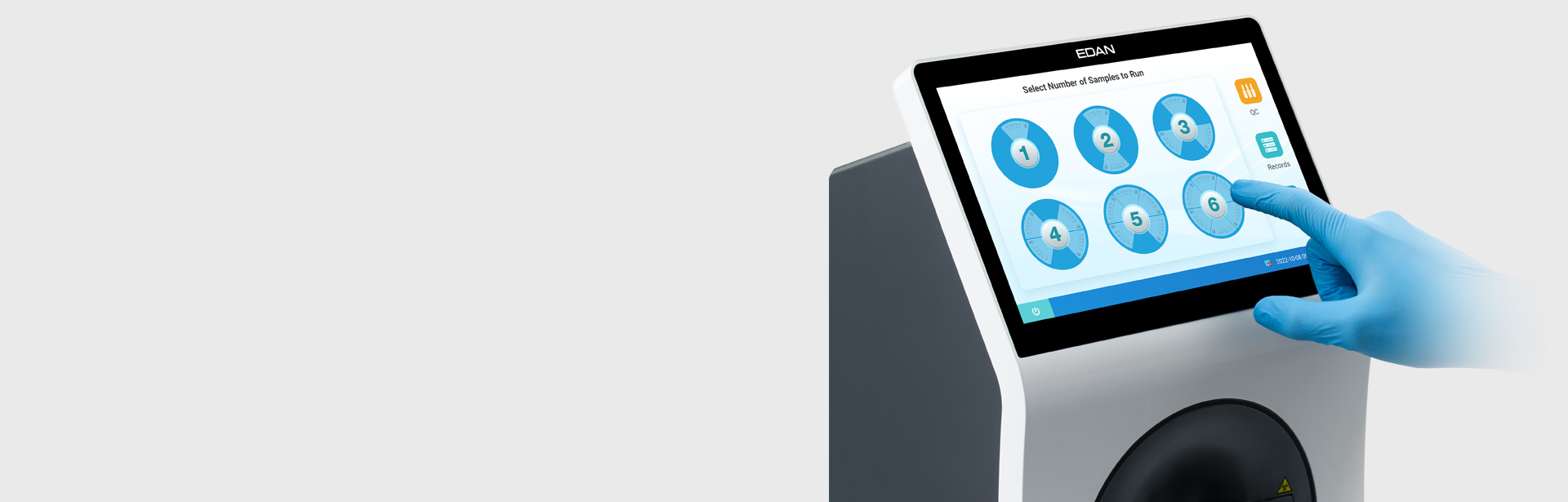
Healthcare facilities increasingly assess the total cost of ownership (TCO) when adopting advanced tools for molecular diagnostic testing. Beyond the upfront purchase price, TCO encompasses expenses related to consumables, workflow integration, staff time, maintenance, and data handling infrastructure. Understanding TCO is essential for clinical labs aiming to balance budget constraints with operational efficiency and diagnostic quality.
Balancing Purchase Price and Operational Efficiency
Choosing an integrated molecular diagnostic system such as the EDAN CL30 involves evaluating direct and indirect expenditures. Initial acquisition cost is just one piece of the financial picture. Consumables and reagents often account for a substantial portion of ongoing expenses in molecular workflows. Efficient systems can help control these costs by reducing waste, lowering per-test reagent usage, and simplifying processes for lab staff. High-throughput and automated features limit manual handling, which can decrease labor costs and minimize errors that lead to retesting.
Integration Benefits that Lower Hidden Expenses
Systems that interface smoothly with laboratory information systems (LIS) and hospital data management software contribute to reduced administrative burden. Seamless data flow minimizes manual entry, shortens report turnaround times, and supports better resource planning. For example, streamlined data transfer and standardized reporting help labs avoid unnecessary administrative overhead and reduce time-to-result, which in turn lowers overall cost per reportable result.
EDAN CL30’s Role in Reducing TCO
The EDAN CL30 stands out in integrated molecular diagnostics for its compact design and efficient workflow. With features such as loop-mediated isothermal amplification that operates without complex extraction steps, labs benefit from a simplified molecular diagnostic testing process. Its cartridge-based approach reduces contamination risk, cuts hands-on preparation time, and supports rapid turnarounds—factors that can improve patient flow and reduce operational strain. Reports note that the extraction-free procedure and rapid testing capabilities can help labs achieve economies of scale while maintaining diagnostic capacity.
Conclusion
Evaluating TCO for a molecular platform goes beyond sticker price to include consumables, staffing, integration, and operational workflow. An integrated molecular diagnostic system like the EDAN CL30 provides a practical blend of efficiency, connectivity, and ease of use that can help laboratories manage long-term costs more effectively. Solid planning around TCO ensures labs deliver reliable diagnostic insights while staying financially sustainable.
